Car tires are generally divided into three main types depending on the season and driving conditions: summer, winter, and all-season tires.
1. Types of tires by seasonality
It is also important to understand what the seasonal symbols on tires mean.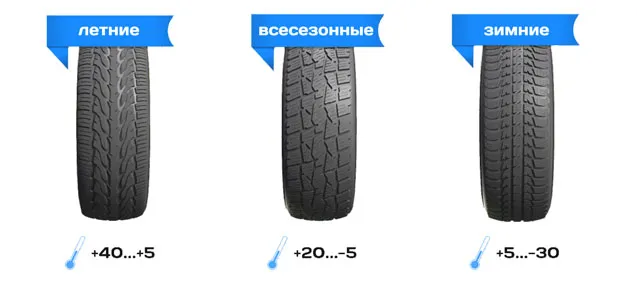 | |||
| Summer tires |
| ||
| All-season tires |
| ||
| Winter tires |
| ||
* This type of marking is also used for passenger vehicles;
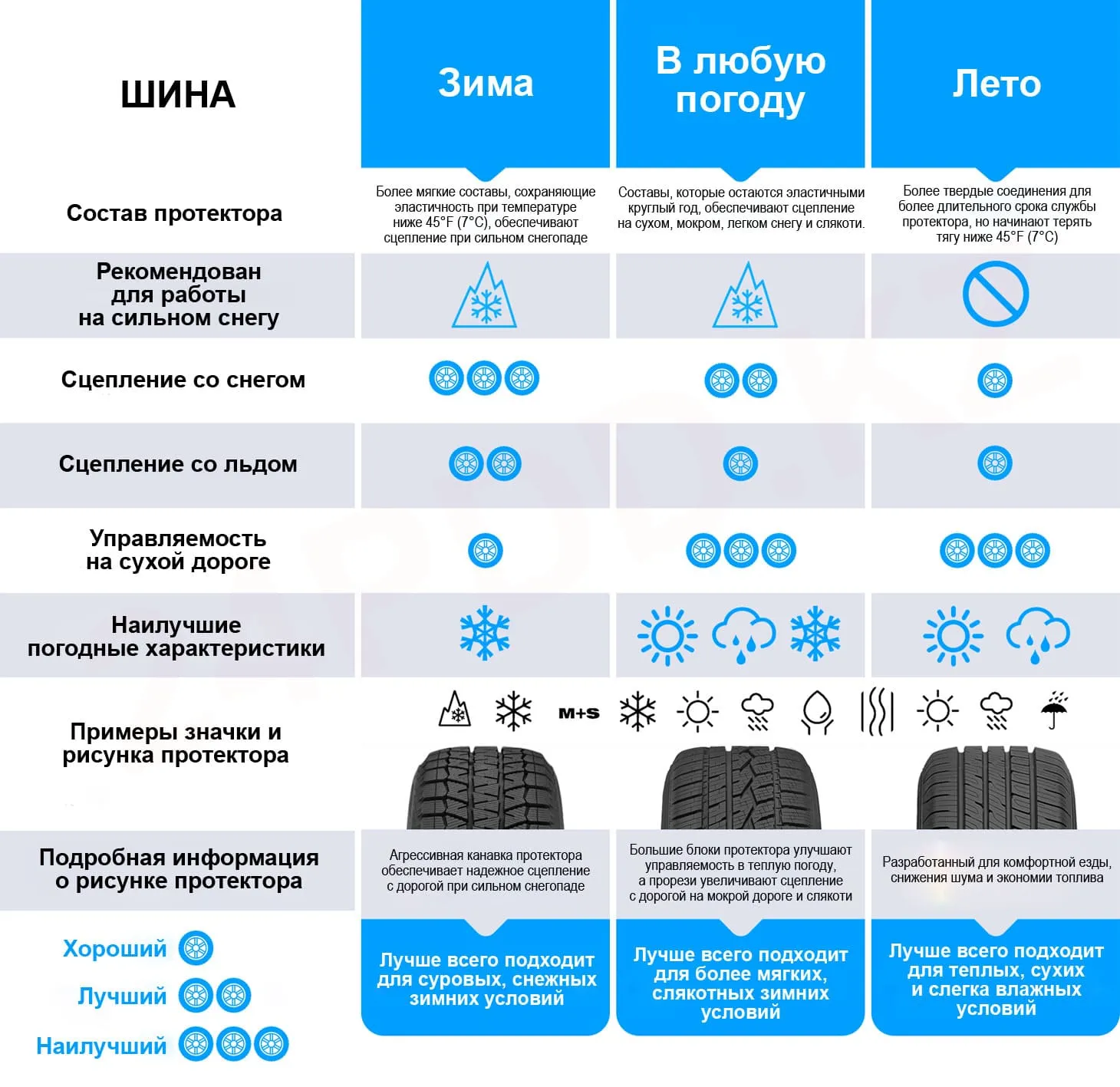
2. Types of tire tread
- Summer tire tread
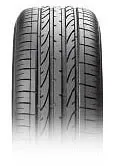 | tires with a highway tread pattern: they are designed for summer use on hard road surfaces in urban and highway conditions. The tread of such tires provides excellent grip and a low noise level on these types of surfaces. They efficiently channel water and road dust away from the contact patch. However, they perform poorly on off-road terrain and are completely unsuitable for winter conditions. |
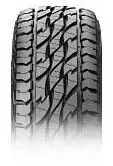 | tires with an all-purpose tread pattern: they are designed for mixed driving conditions, suitable for both paved roads and roads with mud and gravel. Compared to highway tires, they are noisier and offer less directional stability, but they perform better on light off-road terrain. The tread pattern of this type of tire features larger blocks with greater spacing between them, allowing for more effective clearing of mud from the contact patch. |
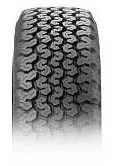 | tires with an off-road tread pattern: they are designed for extreme driving conditions, such as rocky roads, mud ruts, and similar terrain. The tread features tall blocks with wide spacing to improve grip on the ground and facilitate mud clearance; side lugs may also be present. When driven at high speeds on hard surfaces, these tires produce a higher level of noise. |
- Winter tire tread
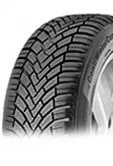 | european type: they are designed for mild winter conditions and roads that are mostly clear of snow and mud. The rubber compound is softer than that of summer tires but firmer than Nordic-type tires. They are ideal for wet snow and rain. The tread features diagonal grooves for effective water drainage and side lugs for additional grip. In more severe weather conditions, it is common in Europe to use tire chains with this type of tire. |
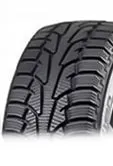 | nordic type: this type of tread is designed for severe winter conditions. The tires are made from softer rubber compounds that retain their properties even in extreme cold. For maximum road grip, they feature a large number of sipes and shoulder blocks with sharp edges. |
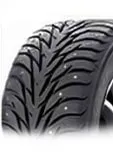 | nordic studded type: for more confident driving in severe winter conditions, many drivers prefer tires with a “Nordic” tread pattern enhanced with studs. This is believed to improve road grip on ice and increase directional stability, especially during acceleration. However, this design also raises noise levels and negatively affects asphalt surfaces, which is why the use of studded tires is restricted by law in several European countries. Tread height: 9–10 mm. |
3. Types of tread patterns
- Symmetric tread pattern
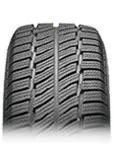 | symmetric non-directional tread pattern: these tires have gained great popularity because they represent a golden balance between price and quality. Not every driver prioritizes high-speed maneuverability; most prefer reliable tires at a relatively low cost. In addition to their good value, these tires are versatile and easy to replace, as their installation is not dependent on the direction of rotation. |
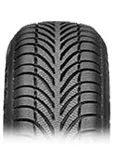 | symmetric directional tread pattern: the most popular tread pattern features an arrow and the word “ROTATION” on the sidewall, indicating the correct direction of rotation, and these tires must be mounted on the wheel accordingly. The main advantage of symmetric directional tires is their excellent resistance to hydroplaning, which is especially important when driving on wet roads. The wide, symmetrically diverging grooves in the tread efficiently channel water away from the contact patch. Rear-wheel-drive vehicles achieve the best performance with this type of tire. |
- Asymmetric tread pattern
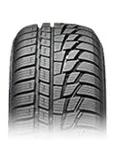 | asymmetric non-directional tread pattern: this tread pattern has been increasingly used by tire manufacturers and is mainly found on higher-end models. An asymmetric tread design improves performance characteristics compared to a symmetric pattern, particularly in terms of enhanced water and snow evacuation without compromising other properties. These tires have specific installation requirements—they must be mounted according to the “Outside” and “Inside” markings, corresponding to the outer and inner sides. Failing to do so can significantly reduce their technical performance. |
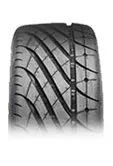 | asymmetric directional tread pattern: these tires have a designated direction of rotation, indicated on the sidewall by an arrow with the word “ROTATION,” and must be mounted on the wheel according to this arrow. Asymmetric directional tread patterns are much less common than asymmetric non-directional ones. Additionally, some asymmetric tires indicate both the direction of rotation and the inner (INSIDE) and outer (OUTSIDE) sides. They are further classified as left-side (marked L) and right-side (marked R) tires. Extra care is needed when installing these tires, as they have many more specific requirements. |
Advertisement